ISO: The New USPTO (and It's Not a Compliment)
- Dr. Roy Schestowitz
- 2008-07-04 17:38:45 UTC
- Modified: 2008-07-04 17:38:45 UTC
Time for a reform
Microsoft may be the last straw that
broke ISO's back. Given the
dismissive attitude and denials from ISO, this essential establishment will never be the same.
ISO now acts in a similar fashion or serves a similar goal to USPTO -- and those who endorse its role -- as a body approving monopolies. Those monopolies are defended using the piece(s) of paper called "a standard" rather than "a patent". A standard is more expensive to buy though. Ask Microsoft just
how much it cost it to game the system.
⬆
The disparity of rules for PAS, Fast-Track and ISO committee generated standards is fast making ISO a laughing stock in IT circles. The days of open standards development are fast disappearing. Instead we are getting “standardization by corporation”, something I have been fighting against for the 20 years I have served on ISO committees."
--Martin Bryan
Formerly Convenor, ISO/IEC JTC1/SC34 [OOXML] WG1
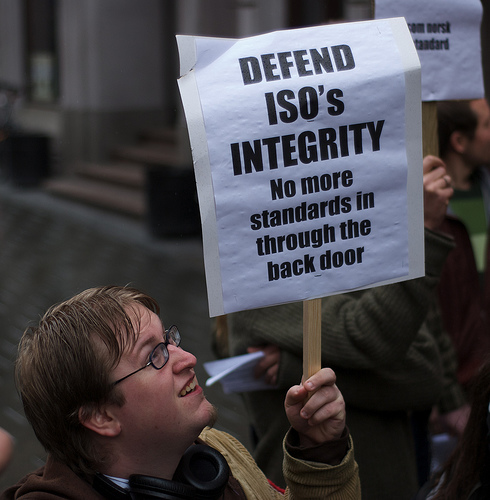
ISO missed the chance to save its integrity when Mr. Bryden spoke out
